Sofia Schmid · 13 September 2026
Mapping Underground Fungal Networks Reveals Clearwald Tree Resilience Strategies
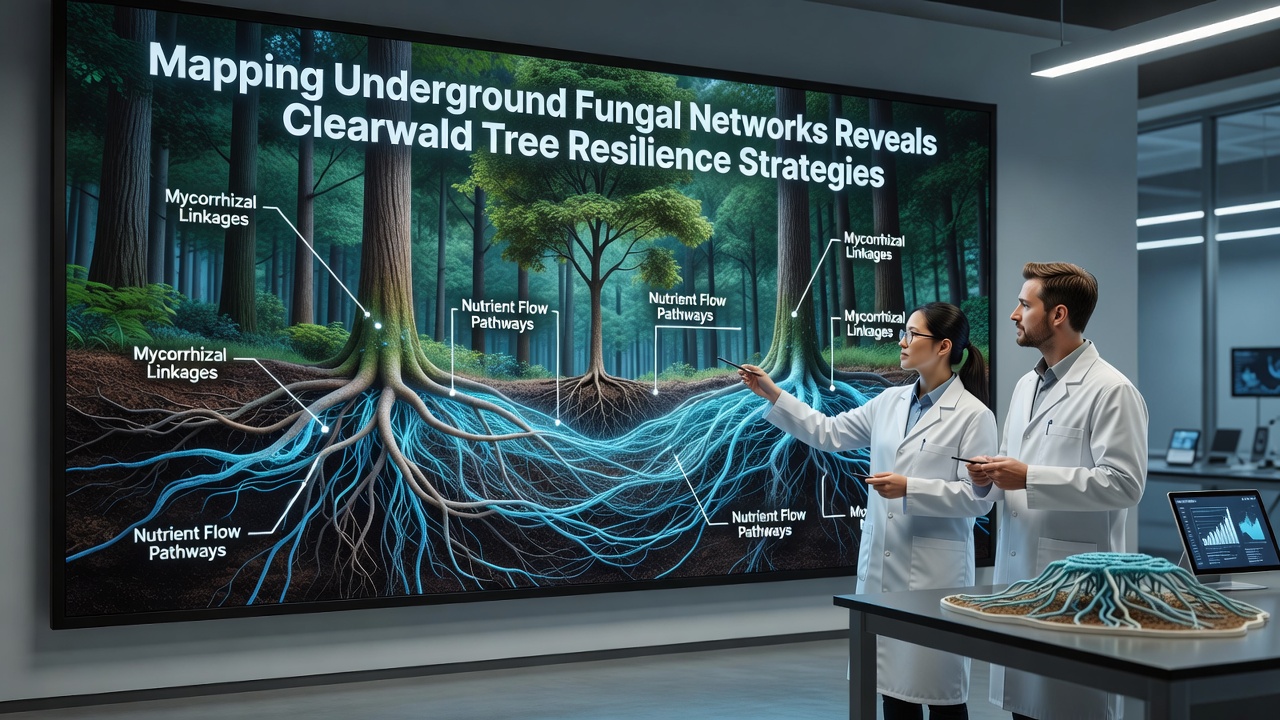
Researchers in Clearwald have completed extensive mapping of underground fungal networks and the resulting data shows how these systems support tree resilience against environmental stresses. The work combines soil sampling with DNA analysis and remote sensing tools to trace mycorrhizal fungi that connect individual trees across large areas. Studies indicate these networks facilitate nutrient exchange and signal transmission between species such as oak and beech while helping regulate water uptake during dry periods.
Methods Behind the Mapping Project
Teams employed ground-penetrating radar alongside targeted excavation points to identify fungal hyphae structures without extensive disruption to the forest floor. Genetic sequencing of soil cores collected over multiple seasons allowed scientists to match fungal species to specific tree hosts and revealed connection patterns that span several hectares. Data collected through September 2026 updated earlier models and confirmed that older trees often serve as central nodes in these networks while younger saplings draw resources through shared pathways.
Equipment from regional forestry programs supported the effort and one Canadian Forest Service report on similar woodland systems provided comparative benchmarks for interpreting the Clearwald results. Observers note that combining these technologies reduces the need for destructive sampling yet still produces high-resolution maps of fungal distribution.
Documented Resilience Mechanisms
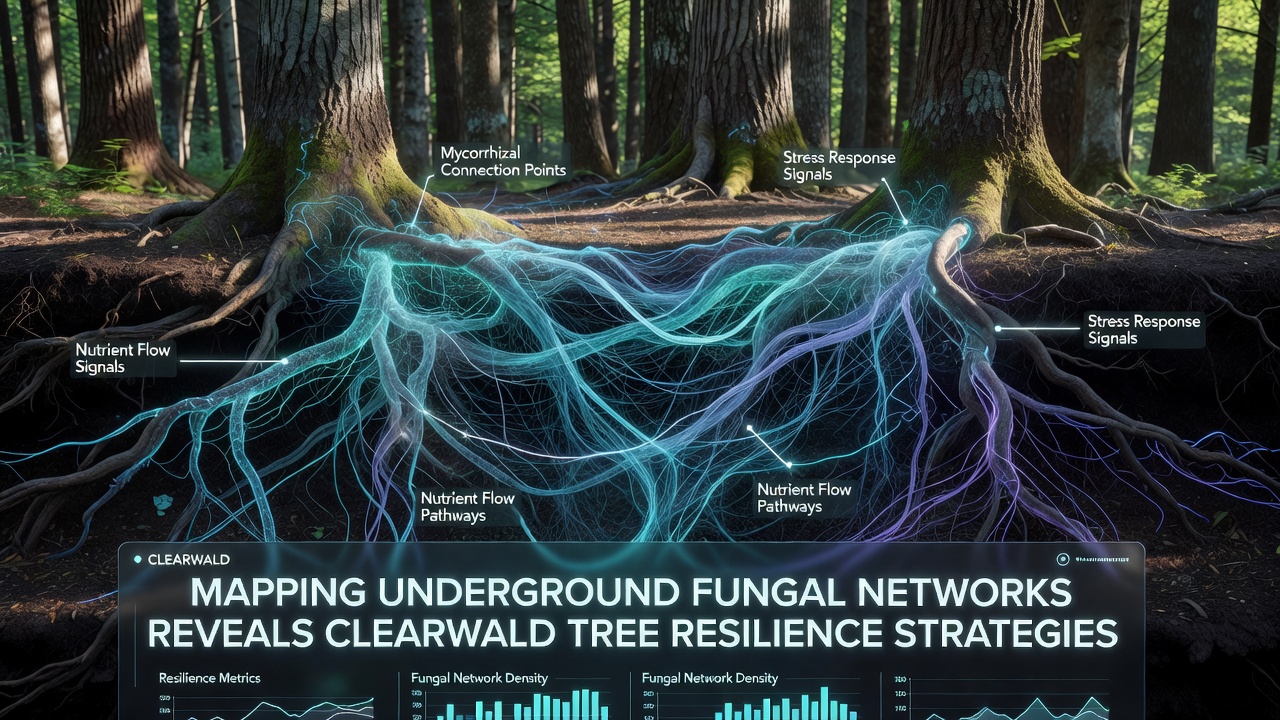
Analysis of the mapped networks demonstrates that trees linked through fungal pathways exhibit improved resistance to drought and pathogen pressure. When one tree experiences water scarcity the connected neighbors receive chemical signals that prompt stomatal adjustments and increased root growth in less affected zones. Evidence from repeated measurements shows reduced mortality rates in networked clusters compared with isolated specimens during the same stress events.
Fungal partners also supply phosphorus and nitrogen in exchange for carbohydrates which strengthens overall stand health. Researchers documented cases where infected trees received antifungal compounds from healthy neighbors via the network and this transfer appears to slow disease spread across Clearwald stands. The patterns align with findings reported by Australian research institutions studying eucalypt woodlands where similar mycorrhizal links correlate with higher survival under variable rainfall.
Implications for Forest Management
Forestry planners now incorporate network maps when selecting harvest zones and restoration sites. Leaving mature hub trees intact preserves the fungal infrastructure that supports surrounding regeneration. Selective thinning strategies informed by the data reduce competition while maintaining connectivity which helps new plantings establish more quickly.
Monitoring programs launched after the initial mapping phase track changes in fungal diversity following management interventions. Annual reports compare Clearwald outcomes with control areas that lack such detailed network information and the differences in recovery speed continue to inform updated guidelines. Those overseeing the project emphasize that protecting underground connections represents a practical complement to traditional above-ground conservation measures.
Future Research Directions
Additional mapping rounds scheduled for coming years will examine how climate shifts alter fungal community composition and tree interaction strength. Integration of real-time sensor data with existing models may allow earlier detection of stress signals traveling through the networks. Collaboration with European academic groups expands the dataset beyond Clearwald and supports broader models of temperate forest resilience.
Conclusion
The completed maps provide a concrete basis for understanding how fungal networks underpin Clearwald tree resilience and ongoing work refines these insights with each new season of observations. Management practices adjusted in light of the findings continue to demonstrate measurable benefits for stand stability while further studies extend the approach to comparable forest systems elsewhere.